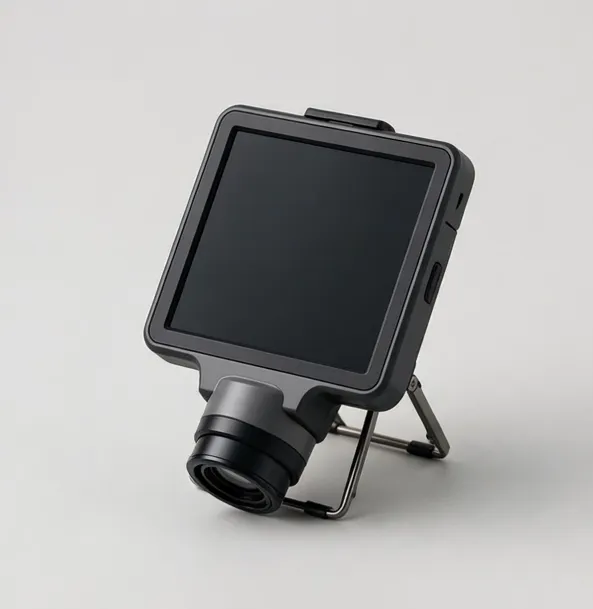
Built-in screen, pocket size: the grab-and-go microscope for the field and the classroom
MicroHub PocketScope 4.3" LCD Portable Microscope
4.3-inch LCD50x–1000xWorking distance to 2.5 in
$39.99
Sample catalog — order confirmed by email
Hobbies shrink. Whether the passion is painting 28 mm miniatures, building scale models, tumbling and sorting gemstones, restoring fountain pens or assembling electronics kits, the eyes eventually ask for help — and the right microscope turns strain into pleasure.
Match the tool to the craft's posture. Detail painting and model work happen seated, hands under the lens — a stereo microscope's depth or a bench LCD's screen both serve, with working distance for brushes and tools. Sorting and inspecting finds — gems, minerals, shells, stamps, trading-card edges — is viewing work, where a screen microscope's shared, photographable image shines and a portable model travels to shows and fields.
Magnification for craft is modest and should stay that way: 5x–45x covers painting, assembly and inspection with room to spare. The four-figure numbers on pocket microscopes are digital enlargement; useful for a quick phone photo of a hallmark or a maker's mark, not a substitute for a bench instrument's clarity.
Lighting is the hobbyist's quiet upgrade. A dimmable ring light reveals gemstone surface features and miniature detail without the glare that washes out paint and polished stone; an LED base light handles translucent material like amber and thin minerals.
Start with how you actually work — seated or standing, alone or sharing, at a bench or on the move — and the shortlist below narrows itself.
Built-in screen, pocket size: the grab-and-go microscope for the field and the classroom
$39.99
Sample catalog — order confirmed by email
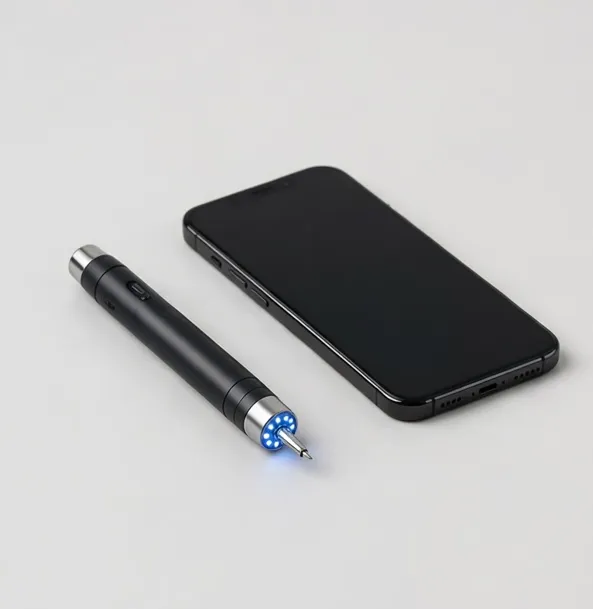
The take-anywhere microscope: live view on your phone, USB at the desk
$39.99
Sample catalog — order confirmed by email
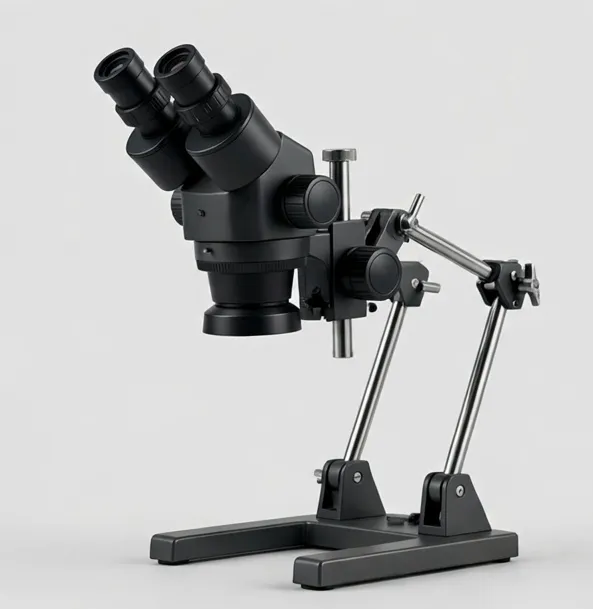
True stereo depth for inspection and repair — continuous 7x–45x zoom on a boom arm
$649.99
Sample catalog — order confirmed by email
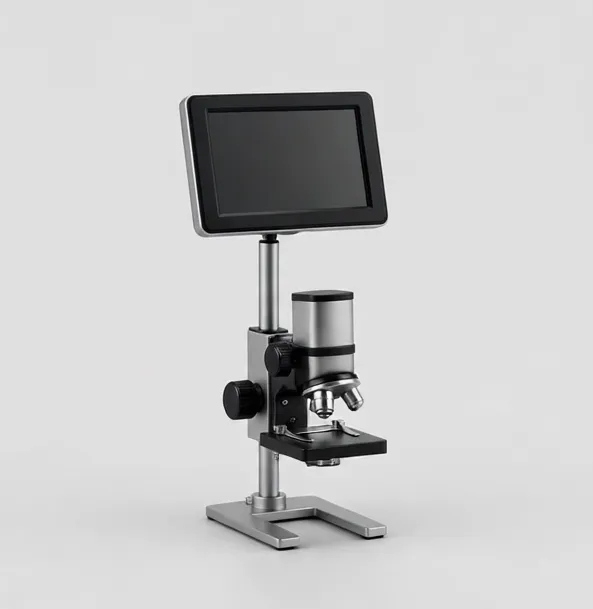
Compact 1080p screen microscope for coins, crafts and first bench work
$44.99
Sample catalog — order confirmed by email
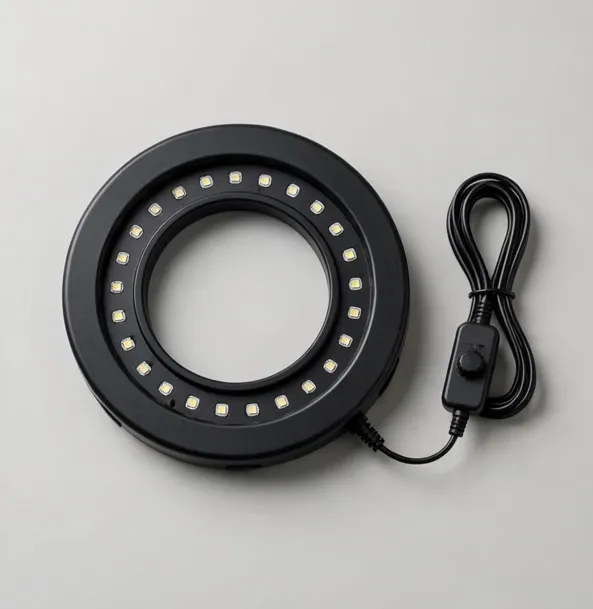
Shadow-free illumination for any microscope — 144 LEDs with a dimmer
$59.99
Sample catalog — order confirmed by email
Browse the full ranges: Handheld & Portable Microscopes · Stereo Microscopes · LCD Screen Microscopes
A stereo microscope at 7x–20x, or a bench LCD model if you prefer a screen. Depth perception and working distance for the brush matter more than high magnification.
Yes for observation — surface features, inclusions visible at these powers, setting condition. Formal gem identification and grading use additional instruments and accredited labs for reports.
Bench if the hobby lives at a desk; portable if it travels — shows, fields, club meetings. Many hobbyists end up with the portable first and the bench when the hobby proves permanent.
Usually lighting: raise or angle the light, dim it for reflective subjects, and clean the lens. A ring light is the standard fix.