Resource Center — Microscope Buying Guides
Full-length, plainly written guides built from how these instruments are actually used — no padded word counts, no fabricated statistics. Start with the guide that matches your decision.
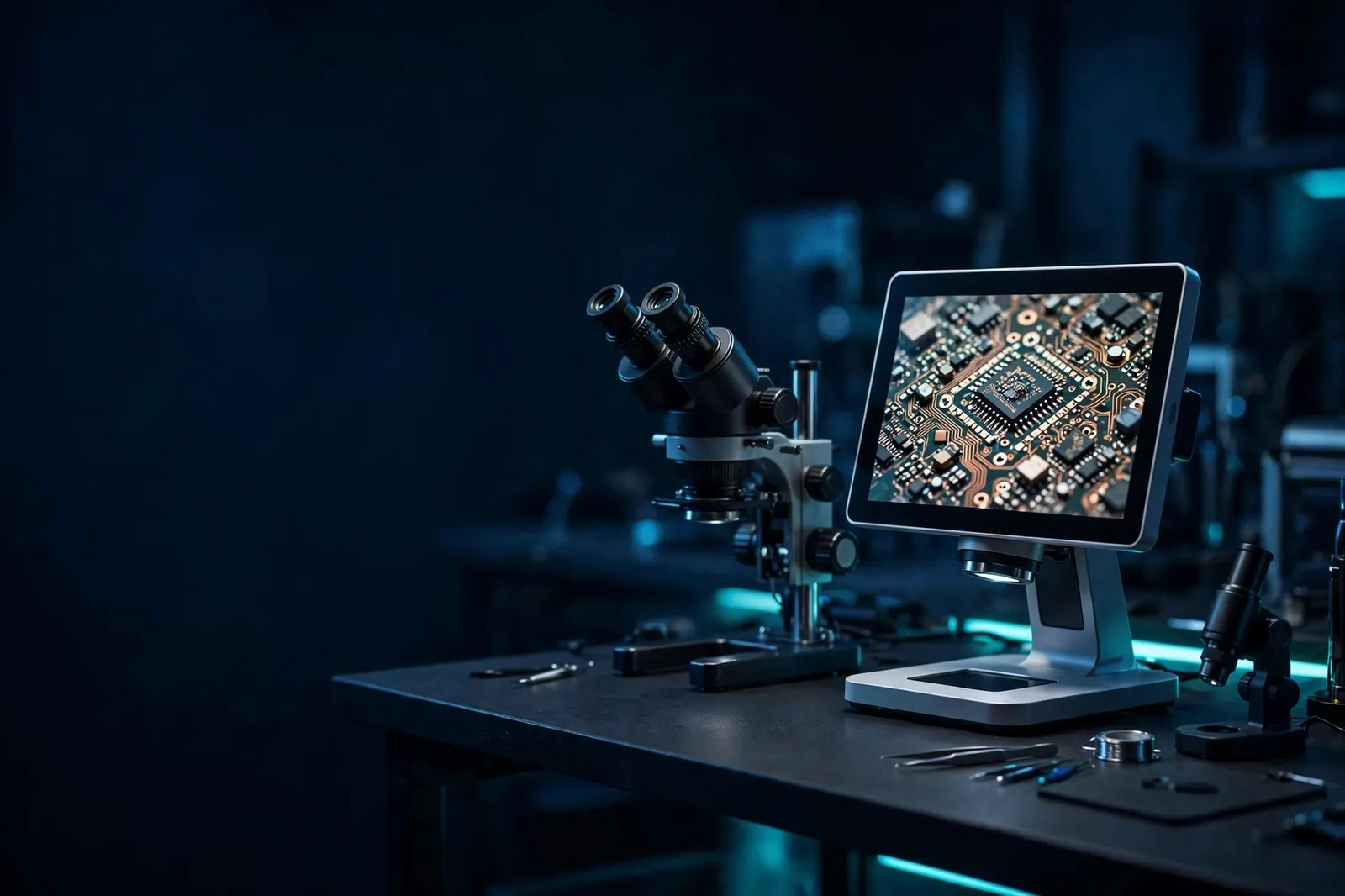
How to Choose a Microscope
Most microscope regret comes from buying the specification instead of the job. This guide works the way a good salesperson would: start from what you will actually look at, rule out whole families of instruments, and only then compare numbers — including the magnification number, which deserves deep suspicion.
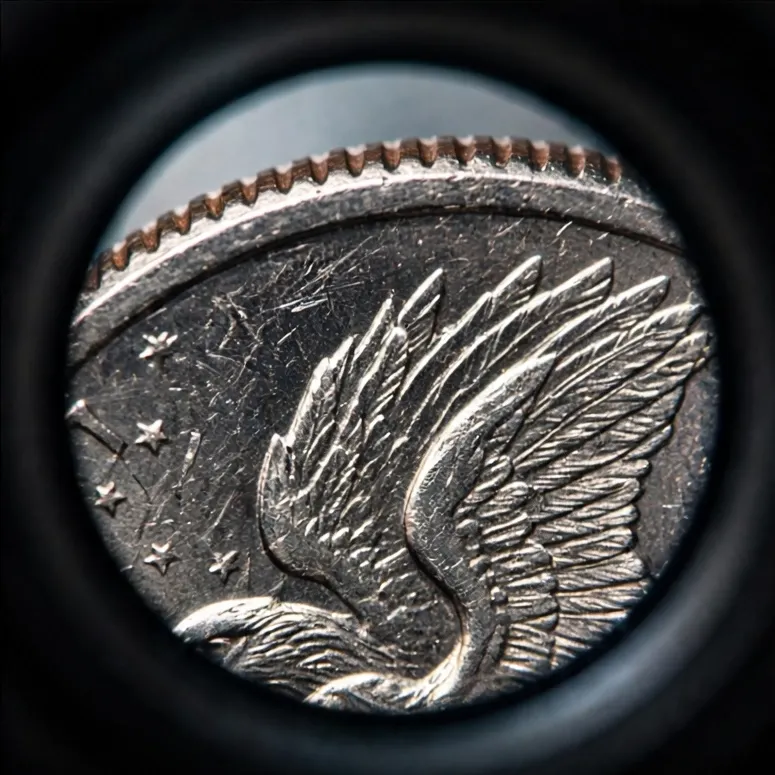
Microscope Magnification Explained
Magnification is the first number every buyer reads and the last one they should trust at face value. This guide explains what the number is made of, why two microscopes with the same lens can claim wildly different powers, and which figures correspond to the things you actually want to see.
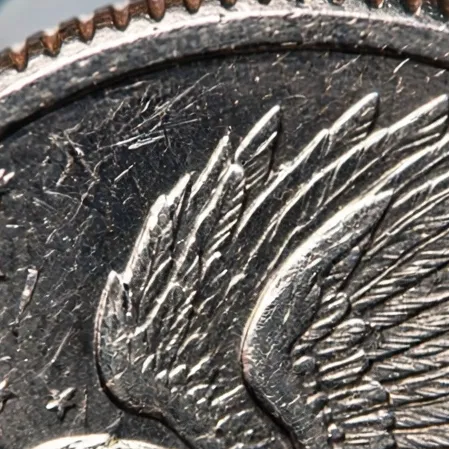
How to Inspect Coins with a Microscope
A microscope rewards method. Random zooming finds random details; a repeatable inspection routine finds the hairlines, doubling and die markers that decide what a coin is and what it is worth. This guide sets out the routine experienced collectors use, in order.
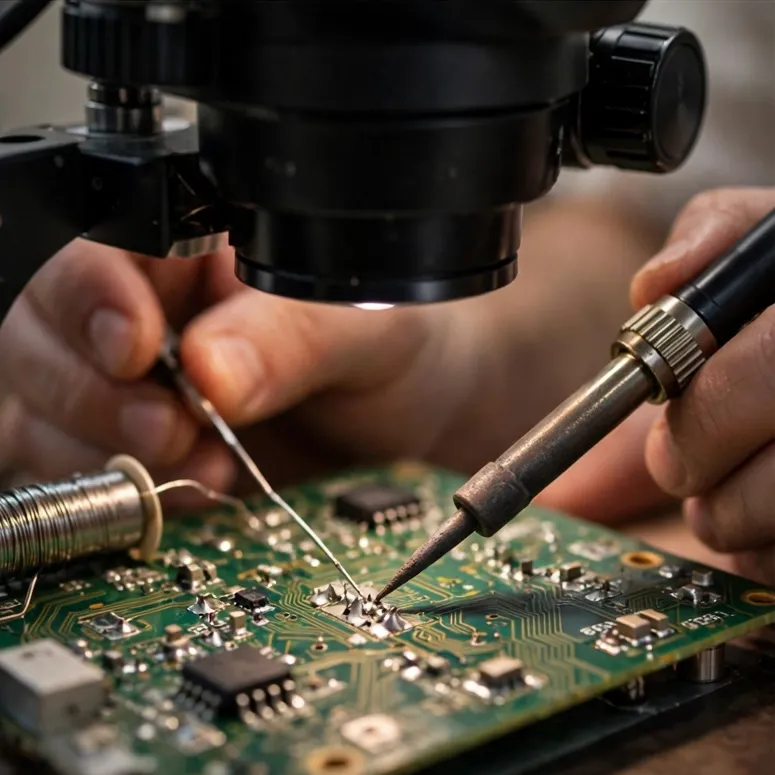
How to Choose a Soldering Microscope
A soldering microscope is judged while your hands are moving. The specifications that decide whether it transforms your rework or gathers dust are not the ones on the box front. This guide ranks them the way bench technicians do: distance, latency, depth, stand, light — and only then magnification.
Application guides
Coin Collecting
Collecting is a visual discipline.
Error Coin Inspection
Variety hunting is detail work at the edge of visibility: a doubled die shows in the split of a letter serif; a repunched mint mark hides inside the curve of a D; a die crack announces a late die state worth a premium.
Jewelry Inspection & Watch Repair
Jewelers and watchmakers work in a world measured in tenths of millimeters, where the questions are physical: Is the prong fully seated? Is the jewel cracked? Is that gear tooth worn or broken? Stereo microscopes answer them because they preserve depth — you see the setting, not a picture of it — while leaving both hands free for tweezers, gravers and screwdrivers. The standard station is a continuous-zoom stereo head (7x–45x) on a boom arm, so the microscope floats over the bench block and swings away between jobs.
Electronics Repair & PCB Soldering
Board repair concentrates every microscope requirement into one bench: fine detail (0402 passives, 0.4 mm pitch pins), real-time hand work (iron, tweezers, hot air), and hours-long sessions that punish bad ergonomics.
Mobile Phone Repair
Phone boards compress a computer into a few square inches, and board-level repair — the work that separates a repair shop from a parts-swap shop — happens entirely under magnification.
Industrial Quality Control
Quality control turns looking into evidence.
School Science & STEM
A school microscope program succeeds on logistics as much as optics: instruments that survive being carried by twelve-year-olds, light that works without a darkroom, specimens ready before the lesson starts, and a way for the whole class to see what one student found.
Laboratory Research
Routine laboratory microscopy — teaching labs, research-support benches, quality and materials checks — runs on compound microscopes specified for the work rather than the brochure: plan or achromatic objectives, a condenser that controls contrast, a stage that moves precisely, and illumination that stays even across a long day. The head decision mirrors the workflow.
Hobby & Craft Inspection
Hobbies shrink.
Plant & Specimen Observation
Nature observation splits neatly in two, and the microscope choice follows the split.
Tools
Compare microscopes side by side · Microscope Finder quiz · Store FAQ