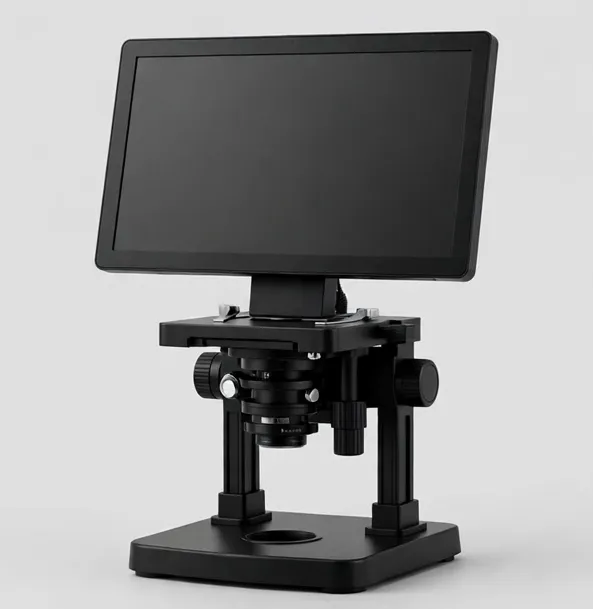
Big-screen 10.1-inch microscope with HDMI output for teaching and shared viewing
MicroHub ViewPro 10.1" LCD Digital Microscope
10.1-inch IPS LCD10x–1600x across two lensesWorking distance to 6 in
$169.99
Sample catalog — order confirmed by email
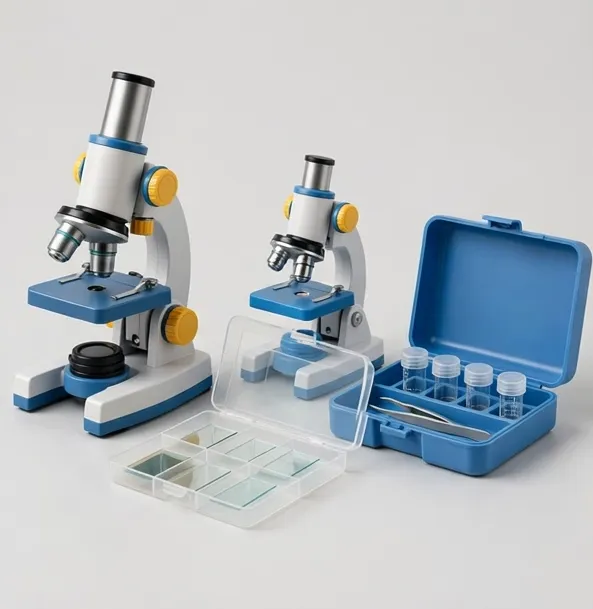
The difference between a microscope that starts a hobby and one that ends it is whether the first session works. A child who sees a prepared slide clearly in the first five minutes is hooked; a child fighting a wobbly plastic toy learns that microscopes are boring. Every model in this category is therefore a real instrument: metal frames, glass optics, and prepared slides in the box so the first observation is a success, not a setup project.
Two designs cover the school years. Starter kits (from about age 8, with supervision) combine a simple microscope, prepared slides, blank slides and simple tools in one case — everything for the classic first experiments. Dual-light student models add the second viewing path older students need: light from below for slides, light from above for solid specimens like leaves, rocks, insects and coins. That one instrument can then serve homework from elementary through high school.
Magnification needs a parent's translation. Figures up to 1200x or 2000x are optical on these models — good — but the highest settings demand well-prepared, thin, well-lit slides to look good. Most real schoolwork lives happily between 40x and 400x, where the image is bright and forgiving. A microscope that is excellent at 100x beats a toy that is poor at 1200x.
Durability and power practicalities matter at home: battery operation frees the microscope from the desk (kitchen table, garden, grandparents' house), and simple single-knob focusing lowers the frustration floor for small hands.
Finally, everything here is an education and hobby instrument. These microscopes are wonderful for learning and curiosity; they are not laboratory diagnostic equipment, and prepared slides in kits are for observation, not medical use.
Parents ask most often about safety and longevity. Slides are glass — supervise preparation, and store slides in their box. The instruments here are built like small laboratory microscopes rather than appliances, so hand-me-down life is realistic: a starter kit bought for an eight-year-old serves siblings and still works when the first owner reaches high school biology.
The best first sessions are scripted by the box: a prepared slide first (guaranteed success), then pond water or a leaf, then something from the child's own collection — a feather, a coin, a crystal. That arc, from guided to self-directed, is how a purchase becomes a habit, and it is why we weight included slides and simple tools so heavily in this category.
A word on the step after the first microscope: it should be driven by the child's questions, not by a catalog. If slides dominate, a better compound with a mechanical stage is the upgrade. If specimens and collections dominate, dual light or a screen model follows. Resist replacing a working instrument with a bigger-numbered toy; the right second microscope is the one aimed at the interest the first microscope revealed.
Curriculum alignment, for those buying against a syllabus: elementary years lean on observation and drawing; middle school adds slide preparation and cell structure; high school biology uses the 400x range seriously and touches 1000x with prepared material. The range here spans that arc deliberately, so a purchase made for a nine-year-old is not obsolete at fifteen — it is joined, perhaps, by a screen model for sharing, while the original keeps working.
Big-screen 10.1-inch microscope with HDMI output for teaching and shared viewing
$169.99
Sample catalog — order confirmed by email
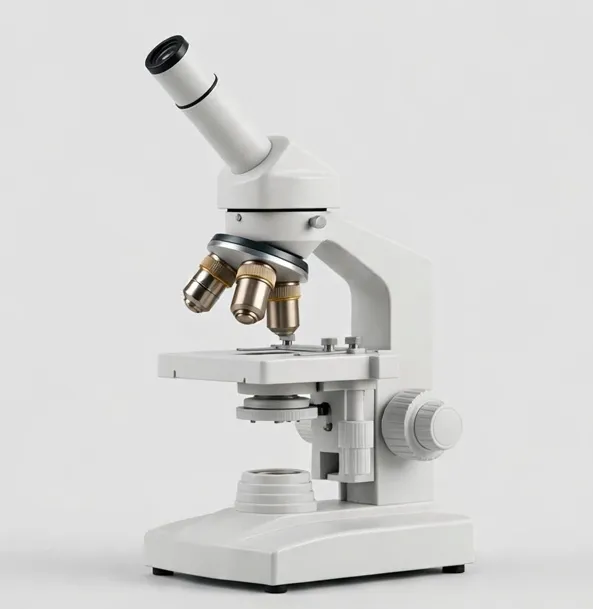
Honest student compound microscope: glass optics, LED illumination, metal frame
$159.99
Sample catalog — order confirmed by email
A real first microscope kit — glass optics, dual light, slides and case included
$39.99
Sample catalog — order confirmed by email
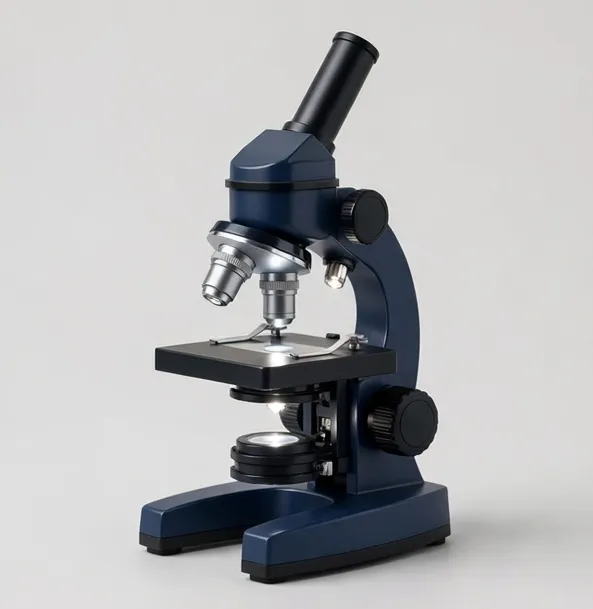
Slides and solid specimens in one student microscope, with dual lighting
$79.99
Sample catalog — order confirmed by email
Prepared slides in the box mean the first session succeeds. Blank slides and tools extend it for months.
Bottom light for slides, top light for solid objects. One dual-light model covers slides, nature finds and coins.
The durability and image quality difference over all-plastic toys is the difference between a hobby and a drawer.
40x–400x is the bright, useful school range. Treat 1000x+ as a stretch goal for well-made slides, not the everyday setting.
Battery models work anywhere — important for how kids actually use things.
Around 8 and up for the starter kits here, with an adult helping with slide preparation at first. Younger children enjoy portable LCD models with a parent driving.
Real glass optics, a metal frame, focus that holds, and prepared slides that actually show structure. Toys use plastic lenses and produce a blur that teaches nothing.
A kit for a first microscope — everything is included. A dual-light model for a student whose interests already span slides and solid specimens, or as the second microscope.
Prepared slides immediately: plant cells, insect parts, fibers. Then pond water, onion skin, leaf surfaces, crystals, hair and much more with blank slides. Bacteria need 1000x, oil immersion and prepared staining — an older-student project.
Kit slides are professionally prepared, mounted specimens for education — standard school material. Supervise younger children, since slides are glass.
Still deciding? Try the Microscope Finder or compare models side by side.