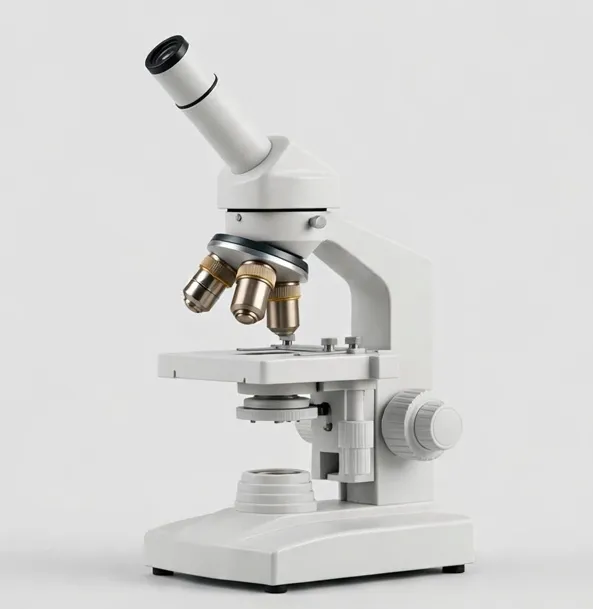
Honest student compound microscope: glass optics, LED illumination, metal frame
MicroHub LabMono 40x–1000x Compound Microscope
None — optical eyepiece viewing40x–1000x optical
$159.99
Sample catalog — order confirmed by email
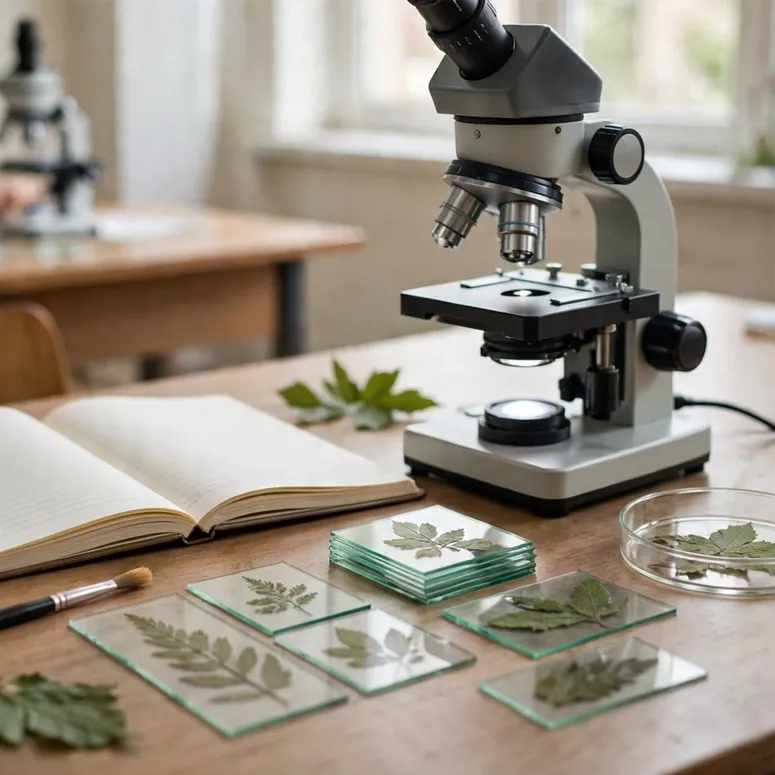
A school microscope program succeeds on logistics as much as optics: instruments that survive being carried by twelve-year-olds, light that works without a darkroom, specimens ready before the lesson starts, and a way for the whole class to see what one student found. The equipment in this section is chosen against that reality.
The classroom workhorse remains the monocular compound microscope — simple, tough, honest magnification for prepared slides. Sets of prepared slides matter as much as the microscopes: they guarantee every lesson has material that shows structure, while blank slides and simple preparation techniques (onion skin, pond water, leaf peels) teach the real skill over a term.
The demonstration problem — twenty-five students, oneeyepiece — is solved two ways: a trinocular head with a camera feeding the classroom display, or a large-screen LCD microscope passed between groups. Both appear below; schools typically standardize on one demonstration station plus student instruments.
For STEM clubs, field days and younger students, portable and dual-light models extend the program beyond slides: insects, leaves, fabrics, coins and crystals under top light, with batteries instead of outlet hunts.
Everything listed is an education instrument — durable and capable for teaching, and not represented as laboratory diagnostic equipment. Budgets stretch further when accessories are planned with the instruments: slides, cleaning kits and a case per kit are the small line items that keep a fleet running for years.
Honest student compound microscope: glass optics, LED illumination, metal frame
$159.99
Sample catalog — order confirmed by email
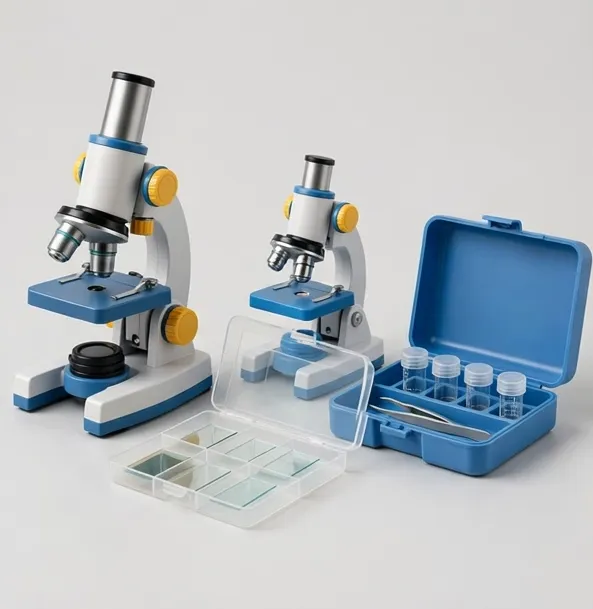
A real first microscope kit — glass optics, dual light, slides and case included
$39.99
Sample catalog — order confirmed by email
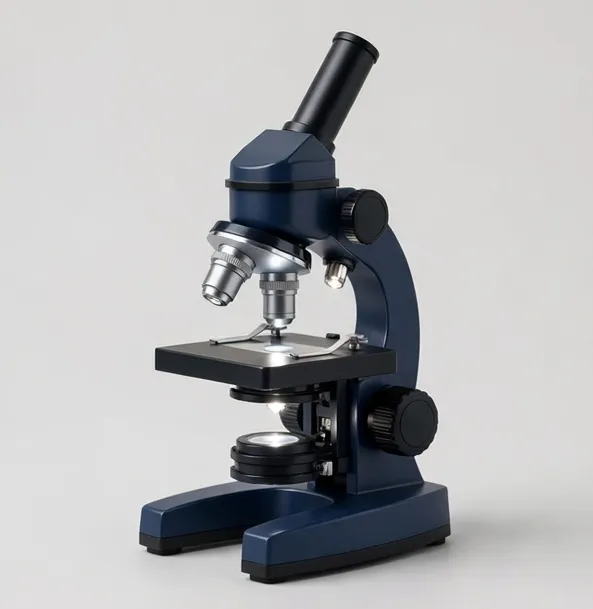
Slides and solid specimens in one student microscope, with dual lighting
$79.99
Sample catalog — order confirmed by email
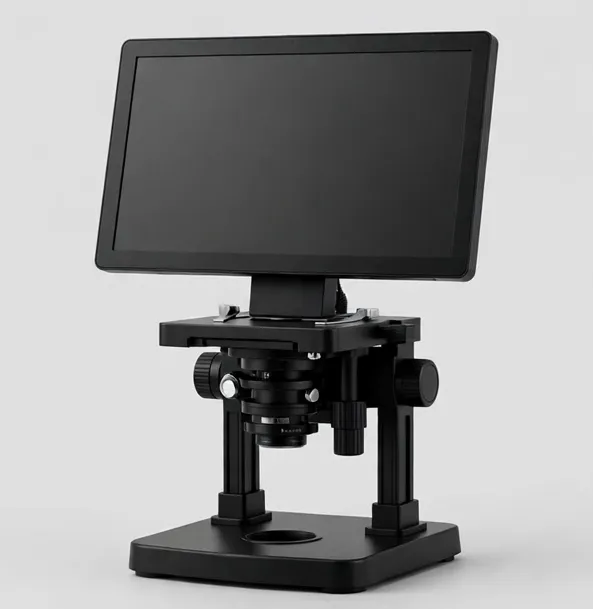
Big-screen 10.1-inch microscope with HDMI output for teaching and shared viewing
$169.99
Sample catalog — order confirmed by email
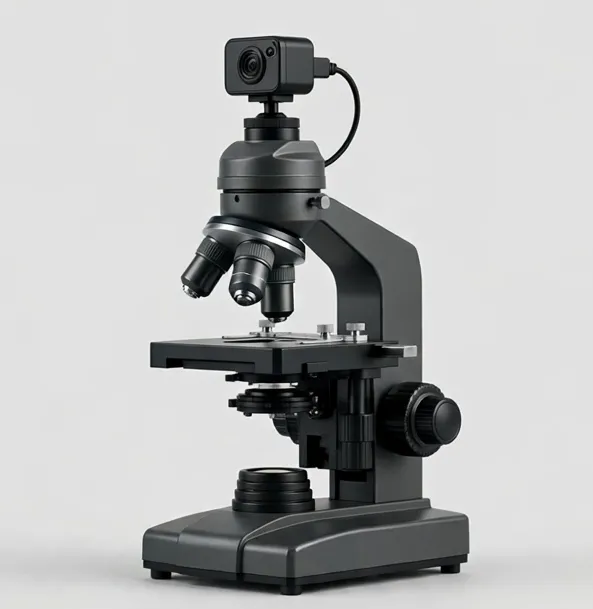
Teach and record at once: trinocular head with a 5MP USB camera included
$399.99
Sample catalog — order confirmed by email
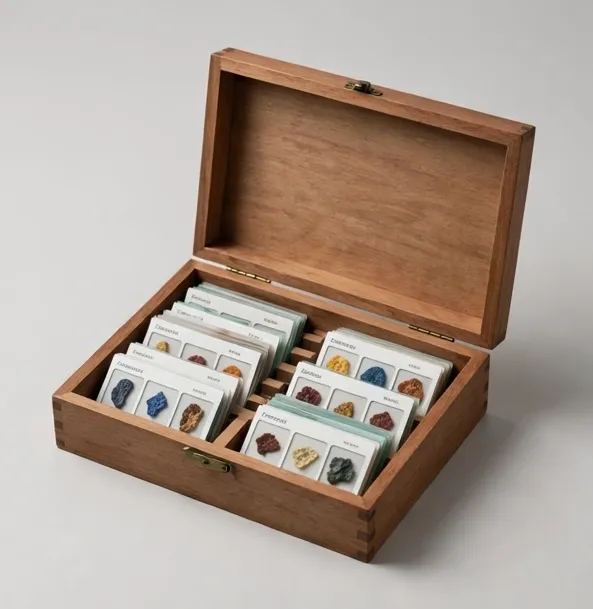
100 ready-to-view specimens in a wooden box — botany, zoology and more
$89.99
Sample catalog — order confirmed by email
Browse the full ranges: Microscopes for Kids & Students · Compound Microscopes
Common practice: student instruments shared between pairs, plus one demonstration station (trinocular with camera or a large LCD model) so the teacher can show the whole class a find.
Prepared slides guarantee a structured first success. Then simple self-made specimens: onion epidermis, pond water, leaf surfaces, hair and fibers.
Yes for teaching and coursework observation. They are education instruments, not certified diagnostic devices, which is the correct specification for school science.
Budget the small things with the instruments: slide sets, cleaning kits, dust covers and a storage routine. Most fleet downtime is dirt and missing consumables, not broken optics.