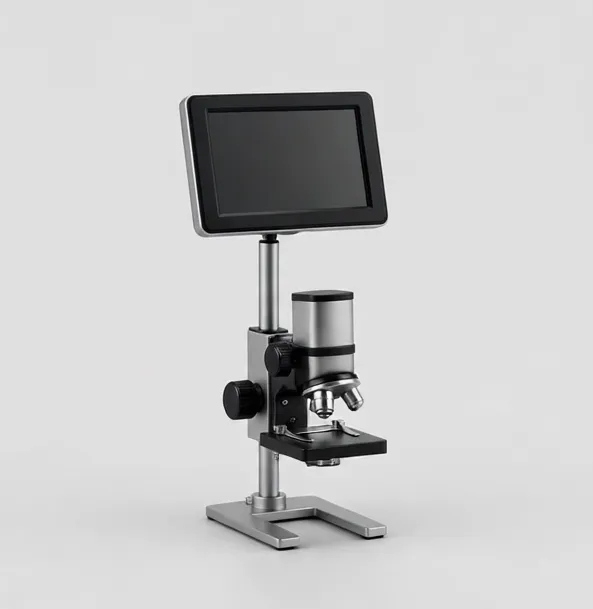
Compact 1080p screen microscope for coins, crafts and first bench work
MicroHub ViewPro 4.3" LCD Digital Microscope
4.3-inch LCD50x–1000xWorking distance to 3.5 in
$44.99
Sample catalog — order confirmed by email
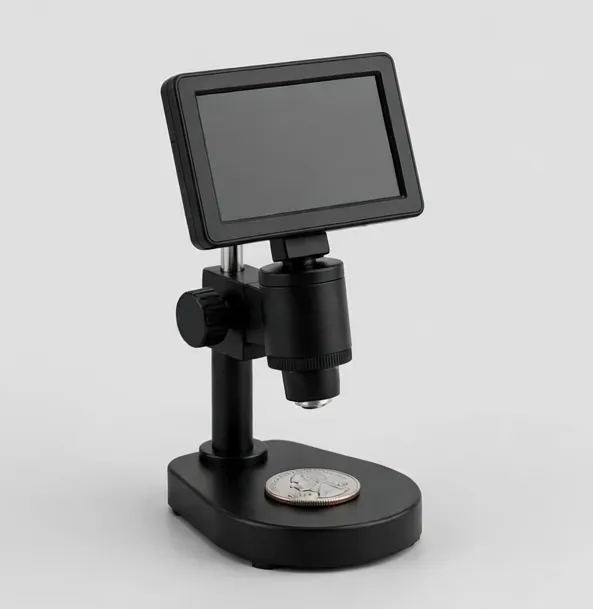
Coin collecting drives a specific optical demand that general microscopes meet badly: the field of view must fit the whole coin. A Morgan dollar is 38 mm across, and at the magnification most microscopes start from, you see a third of it — enough to chase details, not enough to judge the coin. Coin microscopes are built around a wide, low-power view for the whole piece, with zoom in reserve for mint marks, repunched dates, doubling and die cracks.
Lighting decides what you see on metal. A single bright source from above flattens relief and blows out luster; adjustable side and ring lighting lets you rake light across the surface so scratches, hairlines and cleaning marks reveal themselves. When you evaluate listings, spent as much attention on the lighting as on the lens.
Scale matters too. Diameter and weight are the first facts recorded for any coin, and pairing the microscope with a precision scale (0.001 g readability) lets you check a suspect piece's weight against published specifications in the same sitting. One of our packages includes that scale for exactly this workflow.
Two honesty limits belong on this page. First, magnification: coin work lives mostly between 5x and 60x on screen; the four-figure numbers in listings are digital zoom, which enlarges the image without adding information. Second, authority: a microscope helps you observe and document a coin. It cannot authenticate a coin, and it cannot assign an official grade — authentication and grading are services performed by specialized grading companies, and no optical instrument changes that.
Documentation is the fourth pillar: collectors photograph finds for records, listings and club discussions. HDMI output to a monitor and one-button capture make that documentation painless, and a remote shutter keeps high-magnification shots free of shake blur.
A word about slabs and capsules: certified coins in holders still benefit from microscope inspection — surfaces read through the plastic with good light control, and varieties remain checkable — but the extra layer adds reflections. Dimmable, angled lighting is the difference between fighting glare and reading the coin, which is why lighting control is weighted so heavily in this category.
Storage and handling pair with inspection in a serious setup: soft trays for the work surface, capsules for raw coins you have finished with, and a notebook or file naming convention for the photographs. The microscope is the centerpiece of a small system, and the collectors who get the most from it build the system — photograph, weigh, measure, record — rather than admiring single coins in isolation.
Finally, think about where the microscope lives in your collecting routine. At the desk where purchases are opened and cataloged, a bench coin microscope with HDMI earns its space every session. For shows and estate sales, the portable models in the handheld category do the fieldwork. Many serious collectors run both: the portable for acquisition decisions, the bench instrument for the record. Buy for the desk first — that is where the documentation habit forms.
Budget allocation inside this category is simple once the field-of-view requirement is met: put the next dollars into lighting control, then into capture quality, then into stand refinement. That order follows the evidence of what changes outcomes — light reveals the problems, capture preserves the evidence, and the stand merely serves both. A collector who follows it ends with a microscope that keeps proving itself every session, purchase after purchase.
Compact 1080p screen microscope for coins, crafts and first bench work
$44.99
Sample catalog — order confirmed by email
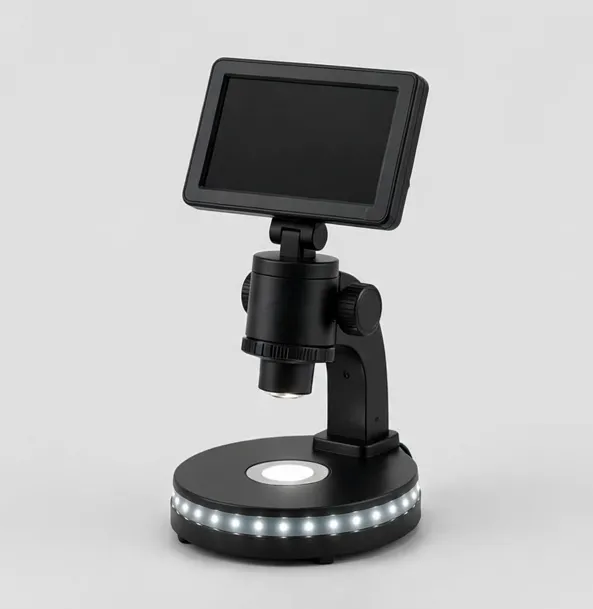
The all-round bench microscope: 7-inch screen, 1080p, LED base
$79.99
Sample catalog — order confirmed by email
Whole-coin view on screen, with HDMI for closer die and mint-mark study
$119.99
Sample catalog — order confirmed by email
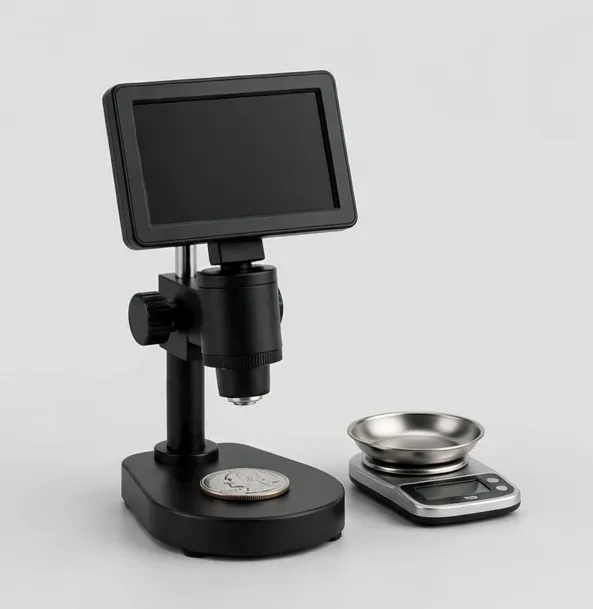
See it and weigh it: 7-inch coin microscope with a 0.001 g bench scale in the box
$129.99
Sample catalog — order confirmed by email
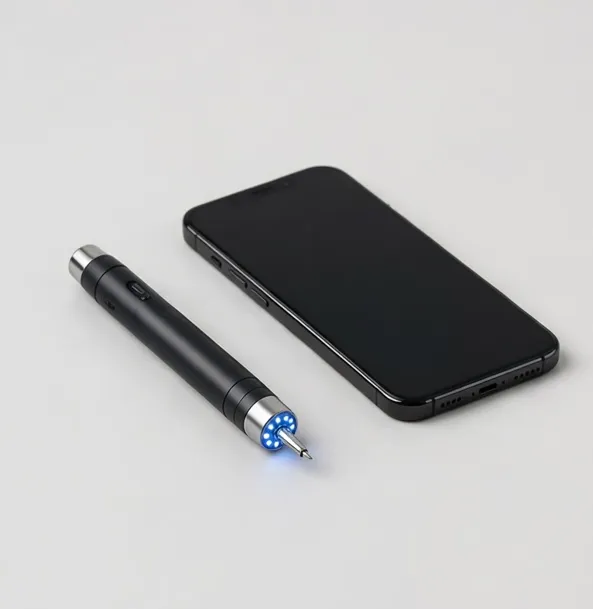
The take-anywhere microscope: live view on your phone, USB at the desk
$39.99
Sample catalog — order confirmed by email
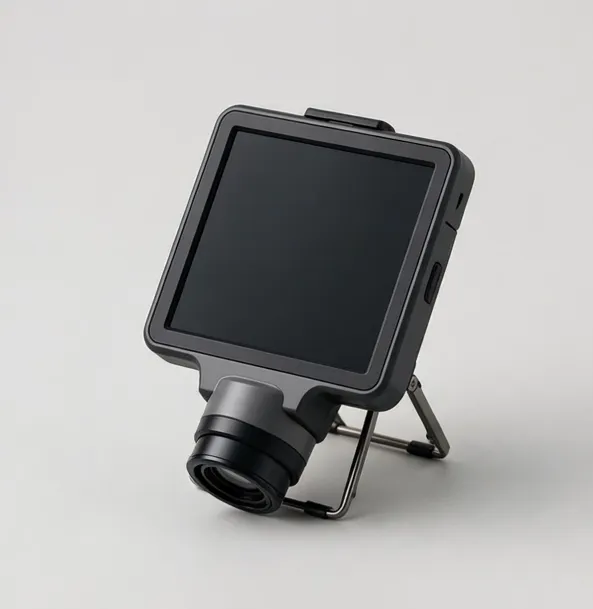
Built-in screen, pocket size: the grab-and-go microscope for the field and the classroom
$39.99
Sample catalog — order confirmed by email
Confirm the whole target coin fits at lowest power: roughly 24 mm for a quarter, 38 mm for a large dollar. The CoinView models are specified for exactly this.
Adjustable intensity and angle reveal hairlines, cleaning and surface problems on metal. Fixed single-point light hides them.
Enough clearance for slabs, capsules and flips to slide under the lens without removing the coin.
A 0.001 g scale beside the microscope catches underweight suspects early. Our scale package pairs both tools in one box.
Use the microscope to observe and document. Authentication and official grades come from grading services — any seller claiming a microscope does either is misleading you.
Most coin inspection happens between about 5x and 60x on screen: low power for the whole coin and overall surfaces, higher power for mint marks, doubling and die cracks. Higher headline figures are mostly digital zoom.
No. A microscope shows you details — surfaces, edges, lettering, weight when paired with a scale — that support your judgment and your research. Authentication is a specialist service; no microscope authenticates a coin or assigns an official grade.
Your microscope starts at too high a magnification or its lens has a narrow field. Coin microscopes use a wide-angle low-power view sized for whole coins up to about 38 mm across.
Adjustable, angled light. Raking light across the surface reveals scratches, hairlines and cleaning that flat overhead light hides. Look for dimmable side or ring LEDs.
If you buy raw coins regularly, yes. Weight is a fast, objective check against published specifications, and recording it with your photos builds a useful file for each coin.
Yes. LCD and HDMI models capture stills directly, and a remote shutter avoids shake. Even, dimmable lighting gives the most honest listing photos.
Still deciding? Try the Microscope Finder or compare models side by side.