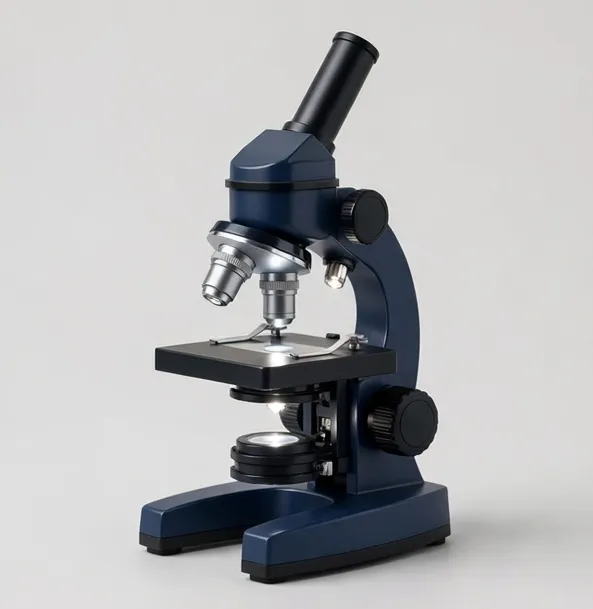
Slides and solid specimens in one student microscope, with dual lighting
MicroHub STEMLab Duo Dual-Light Student Microscope
20x–2000x optical
$79.99
Sample catalog — order confirmed by email
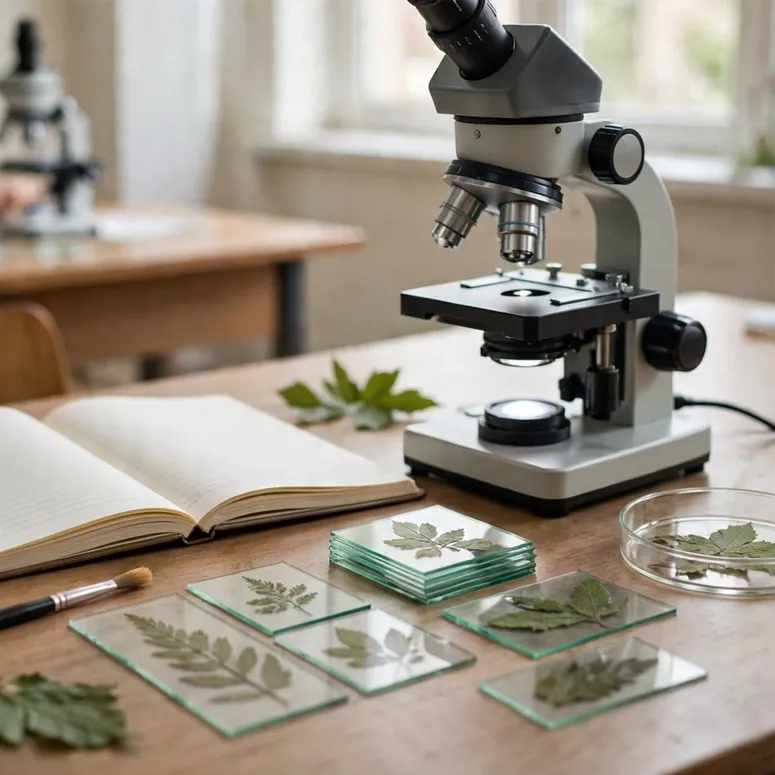
Nature observation splits neatly in two, and the microscope choice follows the split. Whole specimens — a leaf's surface, an insect's wing casing, a flower's parts, a feather — are three-dimensional and opaque: they want low magnification, top lighting and depth, which is the world of stereo, dual-light student and digital screen microscopes. Thin sections and water life — leaf cells, onion skin, pond microorganisms — are translucent: they want light from below and the high optical magnification of a compound microscope.
A practical home setup often pairs both paths. A dual-light student microscope covers both modestly in one instrument; enthusiasts graduate to a compound microscope for cellular work plus a screen or stereo model for specimens. Prepared slides accelerate the learning curve — professionally sectioned stems, leaves and tissues show what good preparation looks like before you attempt your own.
Slide preparation is the hobby's core skill and needs no laboratory: a razor blade for thin hand sections, a drop of water or simple stain, a cover slip lowered at an angle to avoid bubbles. Pond water needs nothing but a drop and patience — it remains the single most alive slide a beginner can make.
Magnification for this work: 20x–100x for whole specimens; 40x–400x for cells and pond life; 1000x (oil immersion) for bacteria-sized subjects on prepared material. All optical on the compound line.
A gentle boundary for younger observers and classrooms: observe, photograph, release. Pond and garden specimens go back where they came from, and prepared commercial slides carry the material that should not be collected.
Slides and solid specimens in one student microscope, with dual lighting
$79.99
Sample catalog — order confirmed by email
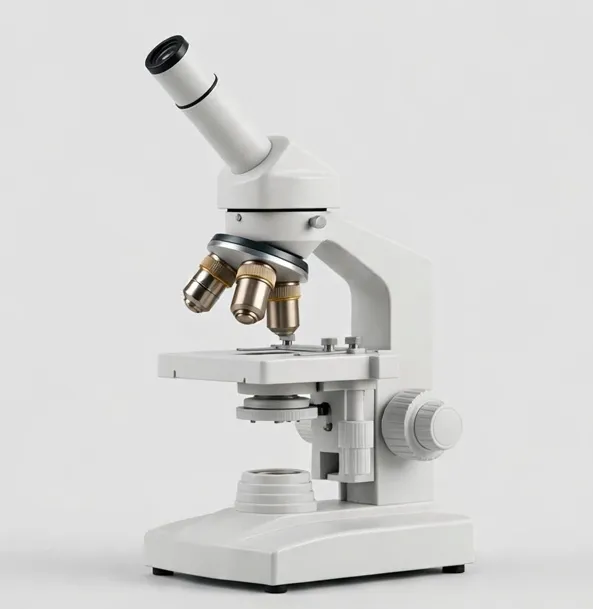
Honest student compound microscope: glass optics, LED illumination, metal frame
$159.99
Sample catalog — order confirmed by email
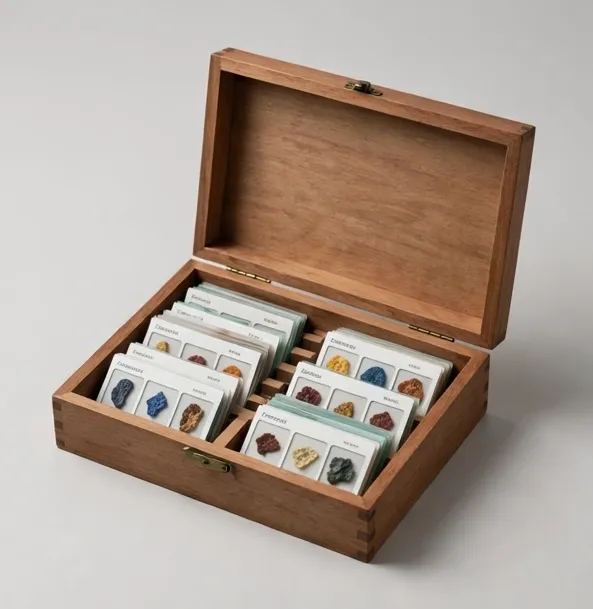
100 ready-to-view specimens in a wooden box — botany, zoology and more
$89.99
Sample catalog — order confirmed by email
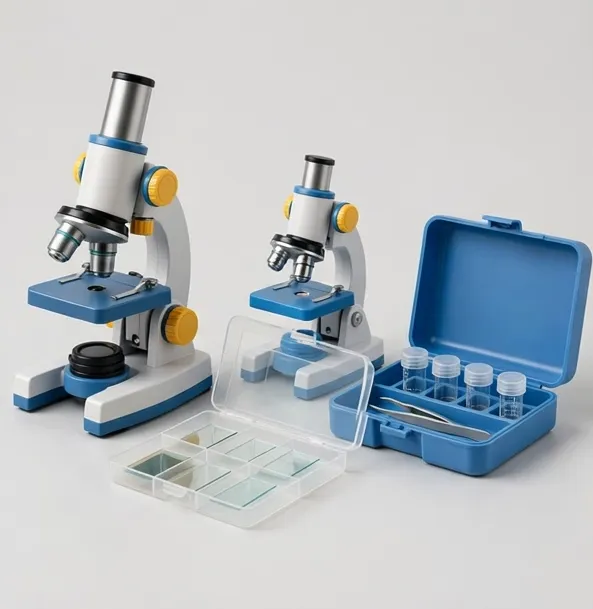
A real first microscope kit — glass optics, dual light, slides and case included
$39.99
Sample catalog — order confirmed by email
Browse the full ranges: Compound Microscopes · Microscopes for Kids & Students
A dual-light model: top light for the leaf surface, bottom light and compound magnification for pond water and cells. The STEMLab Duo is built for exactly that span.
100x–400x optical shows cell walls, chloroplasts and stomata well on thin sections or leaf peels. Prepared slides give the clearest first views.
Place one drop on a slide, lower a cover slip at an angle, and view at 40x–100x first, increasing as you find organisms. No stain needed — the life is the show.
They complement each other: prepared slides show professionally sectioned material you cannot easily make at home, and they teach you what a good preparation looks like.